Single-origin coffee is where the romance of the cup satisfies the rigor of sourcing. One farm, one area, one harvest window. When you taste a cleaned Ethiopian from Guji and select bergamot, honeysuckle, and a tea-like body, you're experiencing the combination of elevation, cultivar, dirt, and handling in uncommon uniqueness. That specificity is delicate. Oxygen, dampness, temperature level swings, and time chip away at the nuance. Which is why the most effective coffee beans delivery services do more than ship beans. They protect taste via organizing, packaging, and clear sourcing. For single-origin fans, that's the distinction between an intense, verbalize mug and soft sameness.
I've baked at small scales, cupped with buyers in export warehouses, and lived with adequate shipment subscriptions to understand the practical trade-offs. This guide distills what matters when your objective is to taste a place, not simply caffeine.
What single-origin drinkers actually need from delivery
Two promises demand to be met. Initially, the beans need to deserve chasing. That indicates rigorous selection at the importer and roaster degree, clean handling at beginning, and roast profiles that appreciate the coffee's innate personality. Second, the beans should show up when they taste best. Quality is not a naïve "roast today, beverage tomorrow" concept. A lot of light to tool roasts struck their stride after off-gassing for several days, in some cases longer. The delivery tempo must land your bag during that window, not prior to and not two weeks after.
Flavor clarity is the characteristic of single-origin coffee. Floral Ethiopian antiques lose their lilt quicker than syrupy Brazils. Peaberries from Tanzania can taste sparkly when fresh, then flatten with humidity exposure. Terrific shipment solutions understand this scatter and straighten roasting schedules, oxygen obstacles, and delivery speeds to preserve articulation.
What quality really suggests for solitary origins
Many services market roast day as a prize. It matters however not sufficient. I track tasting contours at home with a basic regimen: brew the same coffee every two days post-roast, keep work and recipe constant, and compose brief notes. Patterns emerge.
- Ultra-light Nordic-style roasts often grow into clarity around day 7 to 12. Fruity Kenyas and Ethiopias that taste limited on day 2 can open like a video camera aperture by day 10. Washed Central Americans with balanced sweetness frequently peak around day 5 to 10, after that hold steady for an additional week. Natural refined coffees can taste wild early, with fermented fruit pushing tough. By day 8, acidity organizes and the mug stabilizes. Higher thickness coffees hold structure longer. If your roaster sources high-altitude lots, the flavor home window has a tendency to be wider.
This informs delivery selections. If a roaster ships the same day as roast and you live 2 days away, you may be obtaining a bag that consumes alcohol finest 5 to eight days later. Plan appropriately. If you can establish your shipping day so the bag arrive on day 3 or 4 post-roast, you'll likely enjoy the peak during the adhering to week.
Why the bag matters greater than individuals think
Packaging is not just branding. For single origins, it's life support. The most effective coffee beans delivery services invest in:
- True high-barrier bags. Try to find multilayer structures with aluminum or metallized movies. Compostable alternatives are improving, yet many still permit even more oxygen access than aluminum-backed bags. If the bag feels paper-thin, treat it as a temporary container only. One-way shutoffs that in fact work. Squeeze a bag gently. You should smell coffee running away via the shutoff, not with joints. If you can not scent anything, either the roast is exceptionally light, or the valve is cosmetic. Small styles when needed. For delicate coffees, two 250 g bags can outshine one 500 g bag in time, because each bag experiences less opens up and reseals.
If you prefer decanting into storage space containers, utilize ones with dependable seals and think about oxygen scavengers if you open up a bag over a long period. For those in moist environments, store in an amazing, dry cabinet, not the fridge or freezer unless you portion and freeze immediately in closed containers. Cold can preserve aromatics remarkably well if done right, however allow icy portions come back to space temperature level prior to available to prevent condensation.
Roaster-driven subscriptions versus multi-roaster platforms
You'll experience 2 broad categories of Coffee Beans Delivery solutions when seeking single-origin selection: direct from a roaster, and collector or industry subscriptions.
Roaster subscriptions are the tightest loophole in between roast and cup. The roaster controls profiling, product packaging, and shipping timetable. If you like a specific roaster's style, this is usually the most effective Coffee Beans Delivery course for uniformity. Nordic-leaning roasters that highlight high clarity and light development will certainly roast and ship on foreseeable cycles. West Coastline US roasters may press a touch much deeper to highlight caramelized sweet taste. Australia's leading specialty roasters usually divided the difference, keeping acids resilient while building framework. Coffee Beans Delivery Australia has actually developed to the point where you can pick from store procedures in Melbourne, Sydney, Brisbane, and Adelaide, each with distinctive sourcing networks.
Multi-roaster systems put together curated options from various roasters. The advantage is selection and local designs in fast rotation. You might taste a washed Gesha from Panama one month and a honey-process Costa Rican the next, each roasted by homes that concentrate on those accounts. The compromise is an additional leg in the logistics chain. Beans could leave a roaster, pause at the system's storehouse, after that ship to you. Good platforms alleviate this with collaborated roast days and quick turn-arounds. Inquire about their control over roast scheduling and whether they deliver straight from the roaster to you. The best do, or they take care of stock so coffee seldom rests more than a number of days.
Origin calendars and seasonal realities
Single-origin coffee is farming. Launch calendars that match harvest and shipping cycles generate better mugs. A harsh worldwide rhythm:

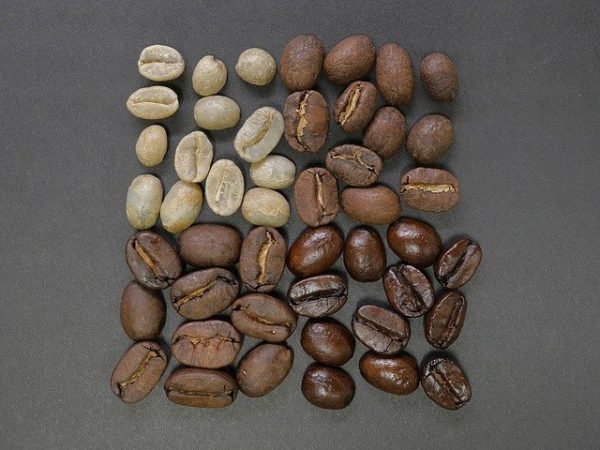
- East Africa. Ethiopia and Kenya harvest late in the year and right into the new year. Fresh plant Ethiopias generally reach customer markets from late springtime with summertime, with arrivals extending depending on delivery and port hold-ups. Kenyas usually shine mid to late summer. Central America. Harvest spans late fall to springtime, with cleaned Guatemalas, Hondurans, and Costa Ricas landing mid-spring to early summer. South America. Colombias can be almost year-round as a result of major and fly plants. Brazils show up late summer season right into autumn in lots of markets. Asia Pacific. Indonesias and Papuas differ, with handling designs that can either take a trip brilliantly or break down if mishandled.
Delivery services that display arrival dates and plant years regard your palate. A bag classified "fresh plant" twelve https://danteceio610.iamarrows.com/coffee-beans-delivery-australia-a-total-guide months after harvest is suspect unless it has been very carefully stored in GrainPro or vacuum product packaging at reduced temperatures. Australian importers and roasters have become skilled at taking care of transit times and storage conditions, a factor for Coffee Beans Delivery Australia if you focus on peak-crop home windows in the Southern Hemisphere.
The roasting approach that maintains terroir
For single-origin clarity, lighter roasts typically provide the cleanest view. But "light" is a spectrum. Underdevelopment brings grassiness and astringent, papery coatings. Excessively light roasts can punish espresso equipments with sour shots. The wonderful area relies on density, moisture material, and handling. Experienced roasters utilize longer Maillard phases to construct sweetness without burning, maintain enough post-crack advancement to prevent rawness, and still keep end temperature levels low enough to protect acids.
When evaluating solutions, request for roast curves or a minimum of a summary of development time ratio. Few will share full accounts, however the best will discuss their philosophy and exactly how they change heat application for, say, a high-grown SL28 from Nyeri versus a low-density natural from Sidamo. If a roaster treats every coffee the same, single-origin subtlety suffers.
Shipping rate, location, and the fact of the last mile
A service can nail roast profiles and product packaging yet shed to logistics. Great Coffee Beans Delivery procedures line up roast days to delivering pick-ups. If a roaster ships roasted-on coffee on a Friday, and your messenger storage facilities over the weekend, you just melted two days for nothing. The best services roast early in the week, ship very same day, and choose carriers that move on a next-day or two-day timetable.
For Australia, residential speed has enhanced dramatically. Numerous roasters in Melbourne or Sydney will obtain coffee to metro clients within one to three days. Regional deliveries can extend to four or five. If you live far from a city location, readjust your subscription tempo. Some customers choose fortnightly shipments of two small bags instead of a single huge monthly bag to expand peak drinking days.
International buyers encounter customizeds irregularity. If you're outside Australia and attracted by an Australian roaster's minimal lot, factor in prolonged transit and prospective warmth direct exposure crossing hemispheres. In those situations, choose expedited delivery or resource a similar lot via a trusted regional roaster to minimize risk.
How to assess transparency and traceability
Single-origin must check out like a tale you can verify. The tag or product web page ought to state:
- Country, region, and preferably the cleaning station or farm. Variety or cultivar. Ethiopia may detail "heirloom" as shorthand, but numerous roasters currently define JARC selections or local landraces when known. Process details past a simple "washed" or "natural." Fermentation times, drying techniques, and bed types influence flavor. Elevation range. Not a proxy for high quality, yet a clue to thickness and prospective flavor intensity. Harvest year and arrival day. Otherwise listed, ask.
Traceability isn't a merit signal; it assists you call assumptions and brew specifications. A double anaerobic natural from Colombia demands a various extraction technique than a timeless washed Bourbon from Guatemala. That impacts how you grind, how warm you make, and whether you press ratio to tease out florals or lean into syrupy sweetness.
Brewing methods that recognize single-origin nuance
Delivery obtains the beans to your counter. Your task is to keep them straightforward in the cup. A few practical anchors:
- For washed Ethiopias and Kenyas, start with a 1:16 to 1:17 proportion in pour-over, water around 94 to 96 C, and grind better than you anticipate. If the cup is sharp, raise dose or decline temperature a degree or two. Naturals and honeys can gain from a somewhat coarser grind and a 1:15 to 1:16 ratio to stabilize fruit intensity with framework. Watch for slow-moving draining pipes if fines accumulate. For espresso, aim for medium shots with longer proportions, state 1:2 to 1:2.5 over 25 to 35 secs, and readjust depending on roast degree. Light roasts like more temperature and often longer pre-infusion. Keep water high quality constant. Bicarbonate levels around 40 to 60 ppm typically sustain level of acidity without transforming it plain. Magnesium assists removal and mouthfeel. If your tap water varies, make use of a constant minerally account with a concentrate system or bottled alternatives developed for coffee.
I measure extraction sometimes with a refractometer, but I mostly trust the taste. If an Ethiopian checks out as lemon pith greater than lemon enthusiasm, I either enhance mixture temperature, grind a notch finer, or extend contact time. Distribution can not save a negative brew, but it offers you the canvas to adjust.
Pricing, worth, and where to splurge
Single-origin rates differs commonly. A strong washed Central American could land between 18 and 25 bucks for 250 g in numerous markets. Ethiopian and Kenyan great deals can run higher because of auction characteristics and demand. Uncommon varieties and experimental processes climb up steeply.
Splurge on coffees with unique varieties, very carefully performed processing, and real deficiency. Gesha, SL28 and SL34 from fabled regions, or diligently washed Ethiopias from greater elevations typically warrant the costs if taken care of well. Save money on day-to-day chauffeurs by picking regional options that line up with your preference instead of the latest micro-lot trend. A roaster's "single-origin home" offering can be a great value with seasonal rotation.
Some delivery solutions offer tiered memberships where you decide into a "roaster's option" single-origin tier. These can be the Best Coffee Beans Delivery value if you trust their palate and enjoy shocks. If you're certain, choose a personalized plan so you can stick to cleaned profiles, as an example, and miss extreme anaerobics that do not match your mixture gear.
The Australian angle: strengths and sensible notes
Coffee Beans Distribution Australia inhabits a healthy niche. Australia's cafe culture honed expectations for clean cups with textured milk, yet the specialty scene has also cultivated high-clarity filter programs. Lots of Australian roasters maintain relationships with importers that highlight transparency and quality assurance, and they adapt roast levels to suit both coffee and filter target markets. Domestic delivery times, specifically east coastline metro to city, can be superb. Western Australia includes a day or two.
Summer warmth is the main enemy. If a warm front is anticipated throughout your anticipated delivery home window, hold-up delivery by a couple of days or request temperature-stable packaging where readily available. Some solutions currently include thermal linings and ship early-week to stay clear of weekend break stagnation in warm depots. When you obtain the bag, allow it relax in an amazing place. If the beans show up cozy to the touch, give them an added day prior to brewing to maintain aromatics.
A simple test: Australia's specialized market has roasters that release eco-friendly coffee storage problems, including storehouse temperature and moisture. If a roaster cares sufficient to interact these, you can typically trust their distribution practices.
A compact choice framework for choosing a shipment service
The option typically boils down to five questions:
- Does the roaster or system release origin details, harvest windows, and roast dates you can verify? Do they deliver on a routine that makes good sense for your place, and can you readjust cadence? Is the packaging really oxygen-resistant, with functional one-way valves and regular seals? Do they explain their roasting technique in a way that signals regard for single-origin nuance, not a one-size-fits-all profile? Can they accommodate your choices on procedure, roast level, and grind size if you require it?
If you can respond to yes to a lot of these, you remain in reputable territory.
Storing and pacing via your delivery
You've picked well. Now maintain the high quality undamaged. Once opened, a lot of single-origin bags hold peak quality for 7 to 14 days, relying on roast degree and your setting. If you consume slowly, split the bag into impermeable 60 to 100 g parts. Freeze all but one. Usage clean, dry containers, remove as much air as feasible, and identify the roast date. Defrost sealed parts to room temperature level before opening.
If you make daily, you can maintain the initial bag, press out air after each dosage, and fold the seal snugly. Some roasters ship with zip closures that fail after a week. If that takes place, an elastic band and clip over a securely rolled top can be enough, but an impermeable tin is better.

A few missteps worth avoiding
Over the years I've stumbled on the very same rakes. Getting a natural procedure Ethiopian in the height of summertime, after that leaving the delivery in a hot mailbox all afternoon. Sampling on day 2 and deciding the coffee was flawed, when it simply required 4 even more days to find its equilibrium. Going after a buzz great deal with delicate florals, after that grinding on a boring burr set that penalized level of acidity. Condemning the roaster for a level cup, just to recognize my water that week had actually turned alkaline after a filter change.
None of these negate the value of shipment services. They highlight the joint obligation between roaster, carrier, and home brewer. The very best services enlighten, not just transact. They provide mixture overviews tailored to the coffee's density and procedure. They motivate feedback and change plainly damaged deliveries. They understand that single-origin lovers are chasing after clarity, not just consistency.
Examples of solution versions that fit single-origin priorities
I maintain psychological versions of 3 archetypes that function well.
The thorough micro-roaster. Small batch sizes, two roast days weekly, green coffee gotten in limited whole lots with transparent import companions, and clear tasting notes that associate to roast strategy. They deliver the same day and aim for city next-day delivery. Their bags are high-barrier with reliable seals. This is my preference for delicate Ethiopias and Kenyan whole lots where the margin of mistake is thin.
The system curator. Multi-roaster selection with direct-from-roaster shipping, curated by a little team that cups frequently. They revolve beginnings with harvest schedules and emphasize handling experiments. If they can verify rapid handoffs and fresh roast days, they're superb for building a sensory map across beginnings. I make use of these to check out and to compare how different roasters treat comparable coffees.
The Australian local professional. Roasters with solid connections to specific beginnings, frequently Main and South America, combined with a durable residential distribution network. They roast a touch deeper for espresso convenience while protecting acidity for filter. These excel as everyday drivers, and Coffee Beans Delivery Australia has actually created a wonderful bench of alternatives in this lane.
You don't require to select one permanently. Turning between versions over the year keeps your taste interested and your brewing tuned.
Fine-tuning your registration cadence
A delivery cadence lined up with your drinking pace makes everything less complicated. If you make a 20 g dosage daily, a 250 g bag covers concerning 12 brews, or about 2 weeks when you skip a day occasionally. Many single-origin coffees peak from day 5 to day 15 post-roast, which lines up normally with a fortnightly distribution. If you prefer 500 g bags, dedicate to portioning and cold part of it, or you will certainly taste the fade in week three.
Choose ship dates early in the week. Prevent Friday dispatch unless your courier warranties Saturday delivery. If a holiday techniques, pause or advance your delivery. When traveling, skip a cycle as opposed to allowing a bag waste away in a parcel locker.
When to request for help and what to ask
Good services welcome questions. Send a concise note with useful details. Your grinder model and burrs, your brew technique, your water, and the taste problem you're regarding. "My V60 on this washed Kenya tastes thin at 1:16, 94 C, 2:45 total time; grind is 7 on Comandante; water 50 ppm bicarb. Any suggestions?" This degree of uniqueness obtains you a useful response: likely a better grind, a hotter mixture, or a longer bloom. The factor is that coffee beans delivery is not a black box. The very best teams treat it as a conversation.
Final ideas from the cupping table
Single-origin coffee is a moving target, which's the happiness. You can't stop a harvest or hold a flavor at the exact pinnacle for life. You can, nonetheless, select a delivery service that appreciates the variables and piles the odds in your support. Try to find transparent origin details, thoughtful roast timetables, actual barrier product packaging, and delivery that matches your schedule. Be honest concerning your developing routines and storage. Align tempo to your taste window.
Whether you like a jasmine-forward Ethiopian that sings on day 10 or a cocoa-laced Colombian that remains constant for weeks, the appropriate Coffee Beans Delivery program will keep those distinctions vibrant. For those getting within Australia, the framework is strong enough since Coffee Beans Delivery Australia can compete internationally on freshness and dependability, particularly if you work with roasters who communicate clearly and ship early in the week.
The best cups I've had at home shared a pattern. The coffee showed up within three days of roast, rested till day 7, was made with stable water and a sharp burr set, and originated from a roaster who told me not just where the coffee was from, yet why it tasted the method it did. That's bench. When a solution helps you clear it regularly, you've located your Best Coffee Beans Delivery partner.