Every home barista bears in mind the first "messed up" bag of beans. Mine was a radiant washed Ethiopian, all jasmine and lime on the roaster's notes. On my hand grinder and French press it tasted like cold tea with a perspective. Weeks later I attempted the exact same coffee via a level burr grinder and a 1:17 pour-over, and the cup snapped right into focus: white peach, bergamot, a finish like clean hill air. Same beans, different gear, entirely different story.
This is the heart of smart Coffee Beans Delivery. Not just beans at your door, but the ideal beans for your setup, your water, and your routine. If you want Coffee Beans Delivered that in fact sing on your devices, you have to match roast design and handling to brew approach, then regard quality windows and grind top quality. The "Best Coffee Beans Delivery" for you is not a common membership with an adorable label, yet a trusted pipeline that comprehends your gear in addition to you do.
What your equipment really wants
Brewing is managed extraction. Your gear defines just how strongly water pulls taste from coffee, and roast degree defines what tastes are readily available to be pulled. Consider it as a dancing between readily available solubles and removal energy.
An espresso equipment strikes finely ground coffee with high stress, high turbulence, and a brief call time. It draws out acids and aromatics quickly, with less resistance for underdevelopment or roast defects. The majority of home drip equipments work at lower temperatures and circulation uniformity than pour-over, often generating underextracted mugs unless you compensate with grind and roast. A French press, with its lengthy immersion and metal filter, coaxes oils and body while leaving quality behind. Cold brew crawls via the premises at a glacial price, drawing out sweetness and chocolate yet avoiding unstable florals.
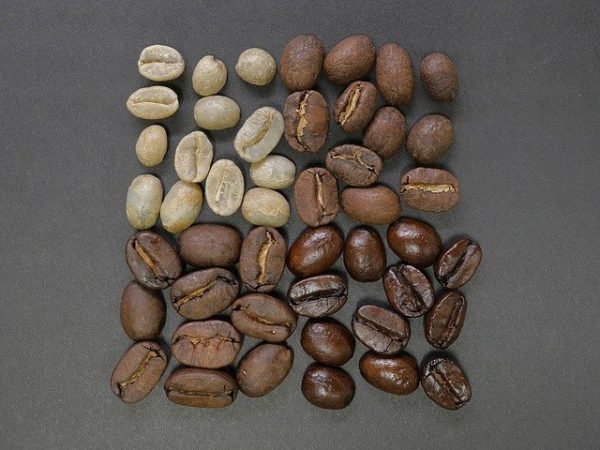
If you desire Coffee Beans Delivered that make your equipment look brave, you'll select with removal in mind. Light roasts can delight on pour-over and espresso if your mill and method depend on it, yet they penalize careless circulation or plain burrs. Medium roasts interpretive dance their way with nearly any technique, offering sweetness and framework. Dark roasts bring smoke and delicious chocolate, forgiving of strategy and kind to basic grinders, yet they tighten beginning character.
Matchmaking by method
Pour-over rewards precision. When a roaster marks "light" or "filter roast," they have actually typically well balanced solubility for cone brewers at water temperatures around 92 to 97 C. Washed Ethiopians, cleaned Kenyans, high-grown Centrals with tight density, and delicate anaerobics flourish right here. Look for roasts that complete before second split by a fair margin, with a last temperature or shade target tuned for high clarity. If your pot does not have temperature level control, a medium-light roast provides you a lot more room.
Espresso in the home is a story of 2 devices. Warmth exchangers and solitary boilers without circulation control frequently prefer a little extra industrialized roasts, assume tool or "omni" with great solubility. If you have variable circulation or stress profiling, light roasts can be stunning, though you'll require a zero-retention grinder with regular fines manage. Naturals, anaerobics, and honey refined beans can be dessert-like at 1:2 to 1:2.2 proportions, however watch for funneling. Washeds deliver traditional structure, allowing you push removal to 20 to 22 percent without ashiness.
Drip machines are the commute of coffee. You desire integrity and a foreseeable mug at 1.5 to 2.6 litres per minute flow, depending upon your basket and showerhead. Right here, a tool roast that raises sweetness at reduced mixture temps helps. Numerous roasters tag "drip" roasts that aren't as brilliant as their filter buddies. Central American blends, Brazil-focused blends with a dash of Ethiopia, or washed Colombia great deals perform well. If your maker runs trendy or quickly, go a notch darker and grind finer to compensate.
French press and metal-filter brews consume alcohol body initially. Solubles hang around in the cup, and oils continue to be. Go with Brazil naturals, lower-acidity Sumatras, or blended whole lots with delicious chocolate, nuts, and caramel. Medium to medium-dark roasts plump up the structure, which couple with the press's hefty mouthfeel.
Cold brew imitates a character trainer, transforming high acidity into beverage and smoothing bitter sides. You can run virtually any type of coffee, yet naturals and tool roasts provide the crowd-pleasers, where strawberry or cacao shows up without screaming. If you yearn for something sprightly, a cleaned Kenyan at medium-light opens a citrus iced-tea lane.
Moka pots, AeroPress, and pill devices rest on the sides. Moka pots prefer tool to medium-dark, forgiving of fast removals and inconsistent work. AeroPress is a chameleon, delighted with light filter roasts for brief dishes or tool roasts for inverted sweet taste. Capsules are strange: the work is set, and the dosage is constrained, so pick blends developed for capsules, typically tool to dark with reduced acidity.
Roast degree and the mill you really own
Let's discuss mills. Burr geometry and intensity form the fines distribution, which forms extraction curves. Conelike burr grinders with broad fragment spreads can create mugs that feel rich and pleasant even when removal is small. Level burrs tighten up the spread, elevate clearness, and additionally subject roast defects. If your grinder costs less than your kettle, support roasts that are less complicated to remove: medium or omni-roast accounts developed for home equipment. If you possess a premium grinder with unimodal burrs, you can chase light Scandinavian-style filter roasts and draw tidy extractions without https://blogfreely.net/marielyfpd/top-rated-cheap-coffee-beans-delivery-for-daily-drinkers turbo-charging bitterness.
I've pulled scrumptious tool roasts on 64 mm level burrs at 1:2 in 28 seconds with 19 grams in, 38 out. Swap to a little conelike grinder, and the very same beans needed 3 notches finer and a slightly longer call time in pour-over to bring sweet taste ahead. The grinder dictates what roast you can unlock.
Freshness and the distribution home window that matters
"Fresh" is a moving target. Coffee needs to rest after roasting as CO2 degasses. Coffee often tastes best from day 7 to day 21 message roast, light filter roasts from day 3 to day 14, dark roasts a bit sooner. The air flow and oxygen exposure throughout packaging issue as high as the calendar. One-way valve bags aid, nitrogen flushing aids more, yet the least expensive repair is to buy sizes you can end up within 2 to 3 weeks and timetable delivery accordingly.
The magic of Coffee Beans Delivery is timing. For coffee fans, established shipment to land 5 to 7 days after roast, which usually indicates delivering the day after the roaster's roast day. For pour-over, touchdown 2 to 4 days after roast is optimal. If your delivery provider supplies roast-day delivery with clear roast dates, that's an environment-friendly flag. If their bags have no roast day, just a best-by, treat it as a training companion putting on sunglasses indoors.
Processing and exactly how your water turns the cup
Processing includes its own gravitational pull. Washed coffees favor clarity and brightness, naturals bring fruit and punch, honeys straddle the line, and anaerobics press into perfumy funk and jammy sweetness. Suit handling to make technique and water.
Water make-up changes every little thing. Hard water with high bicarbonate splits acidity down and raises body, while soft water can extend acidity into neon area and flatten sweetness if too reduced in hardness. If you brew with tough tap water and love pour-over, lean right into naturals or well balanced washed coffees from Colombia and Guatemala at medium-light roast. If you make with soft or reverse-osmosis water, choice coffees with framework: Kenya AA cleaned, Ethiopia washed at light to medium-light, or blends with a Brazil foundation for espresso.
I keep two water accounts accessible: a 60 ppm solidity/ 30 ppm alkalinity mix for bright pour-over, and an 80/40 account for espresso. A washed Ethiopian that flitters away on the soft water ends up being shapely with the heftier profile. If your delivery solution allows you filter by handling, develop a rotation that fits your water rather than chasing novelty alone.
Single origin delights versus blend dependability
There's a factor pro bars run blends for espresso. Uniformity foots the bill. For home, it's the difference in between a two-minute shot dial-in and a morning invested going after gram-decimal adjustments while your companion wonders why you're chuckling with the scale. Blends cushion variation: a Brazil base for body, a Central for sweetness, an Ethiopia for leading notes. They squash the volatility of seasonal shifts.
Single origins are a pleasure adventure. A washed Kenyan on a V60 can taste like grapefruit peel, blackcurrant, and searing clearness one week, after that smooth into cocoa and stone fruit the following as it relaxes. If you have a forgiving palate and the perseverance to tweak grind and proportion, solitary beginning espresso is a benefit. If you want drama-free early mornings, placed a reliable mix on subscription and try single origins as a side bag.
The logistics of Coffee Beans Delivery that really work
Not all shipment is created equal. Coffee doesn't like warmth or oxygen, and it certainly doesn't such as ticking its life away in a distribution center.
Good shipment partners publish roast dates, roast routines, and shipping cutoffs. They ship in oxygen-controlled bags, not unlined paper. They permit you to stop briefly or change roast degrees without losing your place in the line. The Very Best Coffee Beans Delivery for a given region often pairs local roasters with near-weekly roast days, reducing transit time. If you live much from roaster-dense cities, consider local consolidators that ship the day after several roasters drop their fresh batches.
Packaging issues in little ways that build up. Smaller sized bag dimensions, like 250 grams, minimize staling after the initial opening. Resealable zippers that really secure keep you sane. If your supplier offers multi-bag shipments with specific roast days, you can pile rest windows: coffee bag roasted last week, filter bag roasted 3 days earlier, chilly brew bag baked yesterday, done in the exact same box.
Building a smart home rotation
The best home coffee configurations run like a tiny kitchen area: mise en area, stable supply, no last-minute panic. If you drink two cups a day at 18 grams a cup, that's roughly 250 grams a week. Two individuals at that pace melt a kilo in 3 to four weeks. That's your rhythm. Establish shipments as necessary, after that choose a roast mix that maintains you interested without snarling your workflow.
A basic strategy looks like this: a residence espresso blend on a three-week cycle, a wild-card solitary origin filter bag every two weeks, and a monthly kilo for chilly mixture in the warmer months. Rotations can be seasonal. In winter, larger naturals and chocolate-forward blends. In summertime, citrusy washed Ethiopias, Kenyans, and light Colombia great deals for flash brew.
If you desire Coffee Beans Delivered that match your gear, tell the company exactly what you have. Lots of will certainly tune referrals if you say, "64 mm flats, E61 warmth exchanger, rapid kettle, V60 and Kalita, faucet water at 120 ppm solidity." That solitary sentence lets them push you toward roasts that won't fight your tools.
The forgot knob: grind and ratio
Roast and origin selection is only half the pairing. The other half is recognizing how to guide a coffee right into its lane. A couple of directional steps conserve a lot of heartache.
- For light filter roasts that taste papery or slim, grind finer by a half action and raise your mixture temperature by 2 C. Extend get in touch with time to 3:00 to 3:30 for a 15 to 18 gram dosage. If anger sneaks in, drop your ratio from 1:16 to 1:17.5 to weaken perceived resentment without giving up extraction. For coffee that networks or preferences sharp, take into consideration a slightly coarser work and greater dosage to boost puck resistance, then reduced your yield ratio by a hair. Change to 1:1.9 and add 2 seconds of preinfusion. If you get on light roasts, bump pressure down if your maker allows, or lengthen blossom time with a puck screen. For drip devices generating level mugs, slow the circulation with a slightly finer grind, make use of premium quality paper filters, and select tool roasts developed for lower mixture temperatures. If your basket is flat-bottom, attempt a mix with Brazil and Colombia, which removes evenly.
This is tinkering, not conviction. Every bag has a wonderful area. You find it promptly when the distribution fits the equipment in the initial place.
Examples from the cup
Two coffees, very same week, different roles.
A Guatemala Huehuetenango washed, medium-light, showed up three days post roast. On a Kalita with a 1:16 ratio, 94 C water, and a 2:45 drawdown, the mug showed almond weak, apple, and milk delicious chocolate. On my E61 with a tool grind and 18 in, 36 out in 29 seconds, it was intense yet tame, a little citric, never sour. It's the sort of coffee I 'd happily place on a drip equipment at an office and watch everybody begin consuming alcohol black.
An all-natural Ethiopia Guji, tool, hit day 8 for espresso. At 19 in, 38 out, 30 secs with gentle preinfusion, it pushed strawberry compote and vanilla. On AeroPress with a 1-minute steep and a bypass to 1:15, it ended up being strawberry cold tea. This is the coffee that persuades your unconvinced close friend that fruit in coffee isn't seasoning, it's farming and roast restraint.
Both provided exactly what their gear asked for. Not as a result of luck, yet since the distribution program let me choose roast style and get the bags in the appropriate window.
How to examine a distribution solution without throwing away 3 paychecks
You can learn more from one month of structured screening than half a year of arbitrary investing in. Beginning with a tiny registration from 2 different companies and one one-off bag from a third. Startle distributions so you have a filter roast, an espresso mix, and a solitary beginning natural available. Keep in mind, yet keep them functional: the number of days message roast tasted best, exactly how the grind changed day to day, what your partner really finished.
Transparency defeats marketing. Seek released density and range when available, refining clearness, and truthful taste notes that consist of texture. If the notes review like a sweet aisle and every bag assures blueberry pancakes, beware. If the roast level swings extremely from batch to batch under the exact same label, move on.
Customer support is not fluff. A fast e-mail exchange about your grinder and water that generates a thoughtful suggestion is worth more than a cost-free shopping bag. The Very Best Coffee Beans Delivery outfits care about your mixture results since they live or die on revivals. The mediocre ones hide behind slogans and stagnant bags.
When your setup expands up
Most home coffee trips bend toward better grinders and more control. As your equipment progresses, your shipment needs to advance also. Updating from a tipped hand grinder to a top quality electric burr grinder may open lighter roasts you used to prevent. Including a flow-control device to an espresso machine encourages solitary beginning experiments. A kettle with a decent spout invites flat-bottom brewers and brand-new recipes.
Tell your carrier when your gear modifications. Ask for a pivot in your membership: lighter filter roasts, more washed Africans, fewer roasty blends. Keep a 2nd smaller bag rotating with styles you made use of to find picky. Commonly, your own progress catches you by surprise. The Kenya you as soon as crossed out as sour becomes your Tuesday favorite.

Storage and the fight versus staling
Good distribution sheds its side if you park beans poorly. Entire beans do best in their valve bags, rolled tight, stored awesome and dark. Prevent the fridge freezer for bags you'll open daily, considering that condensation is the enemy. If you buy in bulk, you can divide a kilo into closed containers and freeze the unopened sections, then thaw fully prior to opening. I see regular results freezing 250 gram portions, with negligible flavor loss over one to two months. If you roast date-chase and brew gradually, this method maintains high quality high.

Once a bag is open, strategy to finish it within 10 to 14 days for filter and 7 to 21 for coffee, depending on roast and environment. If the cup begins to flatten, you can restore beans for cold mixture or AeroPress with a bypass to keep understanding of brightness.
Common pitfalls and how to avoid them
Not all misfires originate from negative beans. 3 traps catch also experienced home brewers.
- Mismatched rest period: pulling light-roast coffee on day 2 blog post roast is a quick course to acrid shots. Provide it a week. Similarly, waiting three weeks to brew a fragile washed filter roast robs you of florals. Ignoring water: if you have actually never ever considered your water, you may be chasing after grind settings to address what is essentially a chemistry inequality. Try a well-known great dish water for a month and alter your expectations. Chasing novelty over workflow: six different single beginnings in a month can be awesome, yet if you jump between radically different profiles daily, you never ever dial any of them deeply. Run two in parallel, not six.
Where distribution shines for different lifestyles
Busy parents who bang two caps prior to institution drop-off want low-friction coffee blends that struck similarly every time. Medium roasts with foreseeable solubility and chocolate-forward accounts make sense, on a two or three-week cadence so you never struck day 30 staleness.
Remote employees with a kettle on the desk long for range and light roasts that maintain afternoons fascinating. Filter-focused distributions with seasonal Ethiopians, Kenyans, and very carefully refined Colombias are enjoyable. Ask for smaller sized bags much more regularly to keep the ceremony fresh.
Weekend ritualists who make one or two times a week should select robust tool roasts that stand up, or freeze portions of lighter roasts to maintain bloom dynamic. Shipment every four to 6 weeks with smart storage space defeats a large bag that stagnates in the pantry.
Making one of the most of Coffee Beans Delivered to match your gear
Use your registration as a conversation with your roaster. Send them a quick note after a bag you loved, and include what your gear is and how you brewed it. Request for a sis profile following time. When a coffee fights you, provide a brief description of what you tried and what happened. A good roaster can triangulate your experience and advise a better fit. That responses loophole turns delivery into tailored curation as opposed to blind chance.
The highlight of obtaining this right isn't just the mugs, it's the confidence. You quit condemning yourself for every off note and beginning acknowledging patterns: the way a specific washed whole lot blooms at 30 secs with a paper filter, exactly how a natural from Guji desires a slightly coarser grind for coffee and a slower ramp. You start to trust that when the box strikes your patio, it contains prospective that matches your hands, your devices, your water.
And you get to be the home developing hero of your own cooking area, mug in hand, heavy steam curling in the light, an additional bag on deck, timed to land simply in the window when it will certainly taste most active. That is Coffee Beans Delivery done right. That is how Coffee Beans Delivered should feel: not simply hassle-free, but harmonic. The Best Coffee Beans Delivery learns your gear, appreciates your process, and brings the kind of beans that make every mixture day feel like a little adventure worth taking.